
Reiki
What is Reiki?
Reiki is an ‘energy healing’ technique originating in Japan, although there are slightly different versions that come from all over the world.
Reiki can be done in person, face to face, or sent over distance, and can be equally as effective either way. It is seen as a complementary or alternative health approach. Reiki does not claim to directly cure diseases or illnesses. It is generally used to manage symptoms and improve general well-being.
So how does it work?
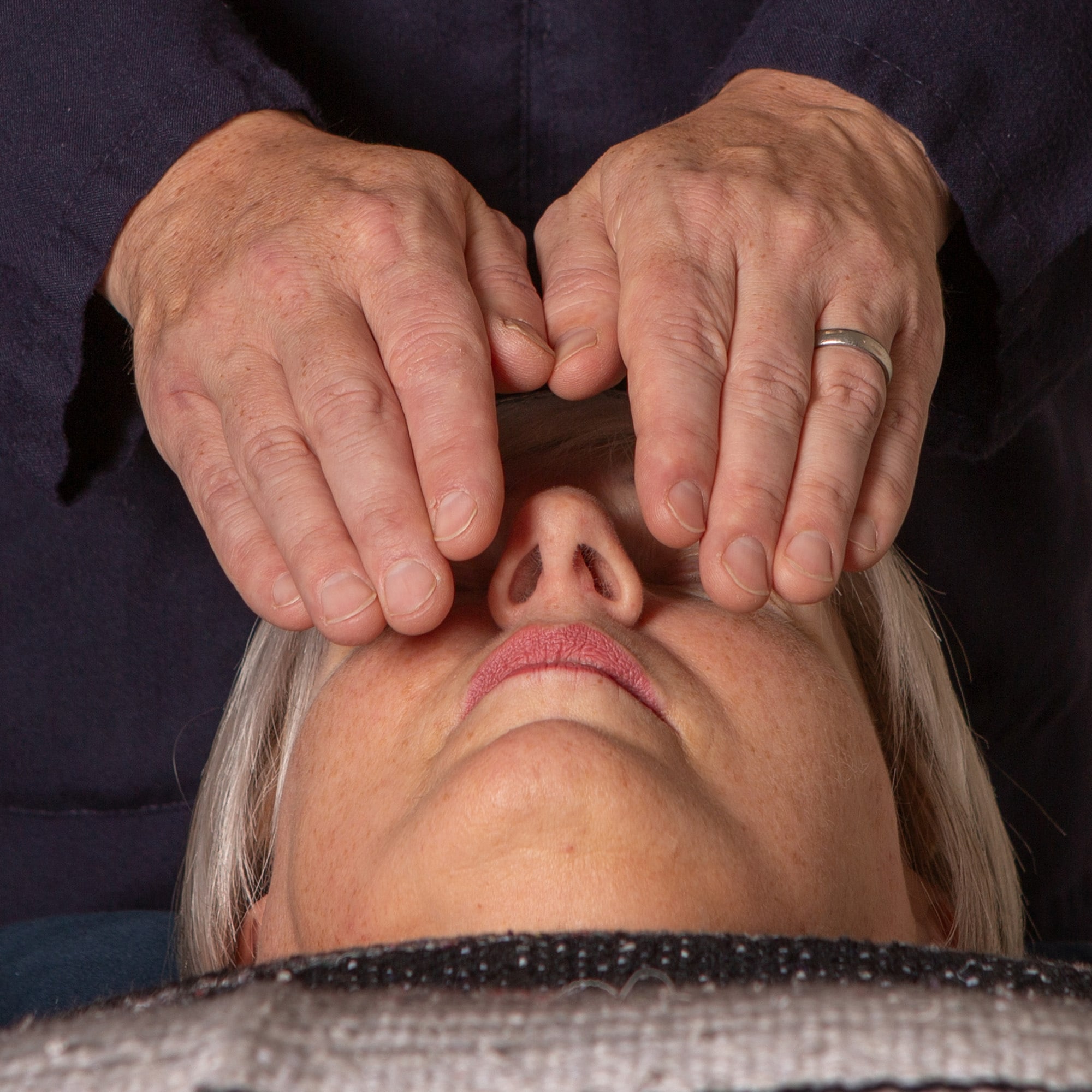
During a reiki session, the practitioner places their hands either directly on you or just above you, in your aura, to bring about healing. The belief is not that the practitioner is able to stimulate your body’s natural healing abilities but the ‘universal life force energy’ that runs through us all, is, and it is this energy that is channelled through the practitioner improving the flow and balance of energy within you to support your healing.
What are the benefits?
Most people find it deeply relaxing and often report feeling lighter and more balanced after a treatment.
During a treatment, a practitioner may pick up on certain imbalances in your energy field, these may stem from physical wounds, they could also have mental, social, emotional, spiritual or energetic facets to them. The simple act of acknowledging these issues can be hugely cathartic and can lead to breakthroughs such as shifts in perspective and letting go of outdated beliefs and behaviours that no longer serve you.
A 2015 study found that people being treated for cancer who received 30-minute sessions of distance reiki for five days, in addition to regular medical care, had significantly lower levels of pain, anxiety, and fatigue than the control group, who only received medical care.
In another 2015 study, researchers looked at the effects of reiki on women following delivery by caesarean. They found that reiki significantly reduced pain, anxiety and the breathing rate in women 1-2 days after having a caesarean delivery. The need for, and number of, analgesic pain killers, was also reduced.
A 2018 study compared the use of reiki to physiotherapy for relieving lower back pain in people with herniated discs. Both treatments were found to be equally effective at relieving pain, but reiki was more cost-effective (compared to private health care) and, in some cases, resulted in faster treatment.

Reiki treatments may be used as part of a treatment plan to help relieve depression
In a study in 2010, researchers looked at the effects of reiki on older adults experiencing pain, depression or anxiety. The participants reported an improvement of their physical symptoms, mood and well-being. They also reported more feelings of relaxation, increased curiosity and enhanced levels of self-care.
The positive benefits of reiki can enhance your overall well-being
Researchers in a study from 2016 found that reiki was helpful in improving the quality of life for women with cancer. Women who had reiki showed improvements to their sleep patterns, self-confidence and depression levels. They noted a sense of calm, inner peace and relaxation.
The outcome that you need
Reiki is said to always work for your highest good and greatest need, it can’t be misused at all, and you will always get the outcome, not that you necessarily always want, but always what you need.